1. Ao Dai – The Symbol of Vietnamese Culture
The ao dai has long been considered a defining symbol of Vietnam. Over the centuries, it has evolved from a simple garment into a cultural icon that embodies the gentle, modest, yet captivating beauty of Vietnamese women. More than clothing, it represents the soul and spirit of the nation.
2. The History of the Ao Dai
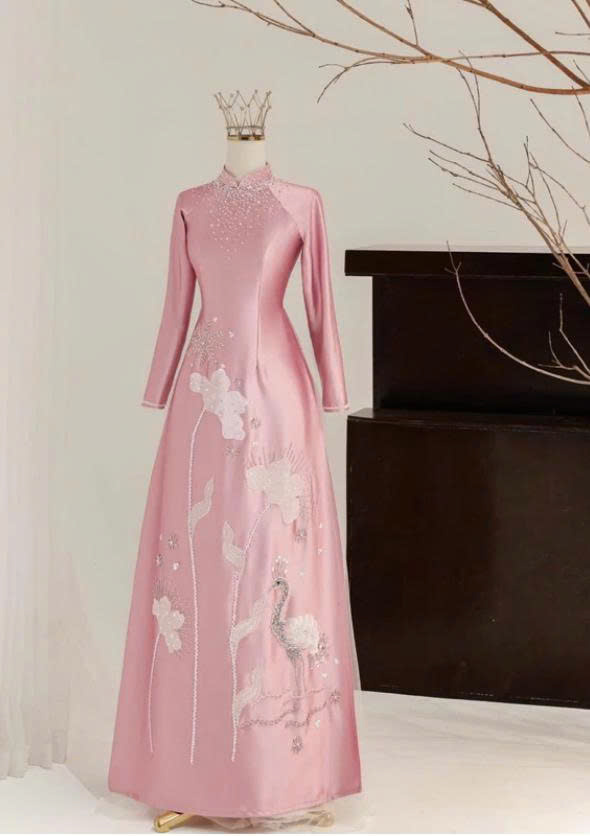
The ao dai originated during the Nguyen Lords’ era, inspired by traditional garments such as the ao tu than (four-panel dress) and ao ngu than (five-panel dress). Throughout history, its design has been refined to reflect changing aesthetics and lifestyles. Today, the ao dai remains an irreplaceable part of Vietnamese traditional attire, symbolizing grace and national pride.
3. Distinctive Design Features of the Ao Dai
The ao dai stands out with its elegant and recognizable structure:
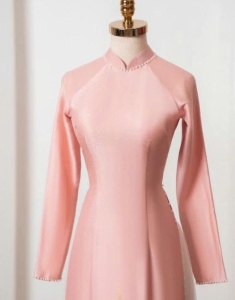
Form-fitting bodice that flatters the wearer’s figure.
Long, flowing panels that often reach the ankles.
Various necklines: high collar, round, or boat neck.
Wide range of fabrics: silk, chiffon, brocade, velvet.
Vibrant colors—from pure white for students to bright red for weddings.
This versatility makes the ao dai suitable for both everyday wear and special occasions.
4. Popular Types of Ao Dai
Traditional Ao Dai: High collar, long panels, classic style.
Modern Ao Dai: Shorter, easier to wear, can be paired with jeans or skirts.
Wedding Ao Dai: Luxurious and intricately embroidered.
Student Ao Dai: Pure white, symbolizing innocence and youth.
Performance Ao Dai: Colorful and decorative, perfect for stage use.
The diversity of designs ensures the ao dai suits people of all ages and occasions.
5. Cultural Significance of the Ao Dai
Beyond fashion, the ao dai carries profound cultural meaning:
A powerful expression of Vietnamese identity.
A symbol of grace, modesty, and femininity.
Present at major ceremonies and festivals.
A timeless source of inspiration in poetry, music, and art.
The image of the ao dai remains deeply rooted in the hearts of Vietnamese people and leaves a lasting impression on international friends.
6. How to Choose the Perfect Ao Dai
By body type: Slim figures suit fitted styles; fuller figures should choose soft, flowing fabrics.
By color: White for students, red for brides, pastel tones for daily wear.
By age: Younger women often prefer modern designs, while older women favor traditional cuts.
By fabric: Silk and chiffon offer lightness; velvet and brocade bring luxury.
Choosing the right ao dai helps highlight natural beauty while maintaining comfort and elegance.
7. Where to Buy Quality Ao Dai
JESMARY.COM is a trusted destination for high-quality ao dai made in Vietnam. With attention to detail and respect for cultural values, Jesmary’s ao dai collections reflect the harmony between tradition and modernity—helping preserve the enduring charm of Vietnamese heritage through every stitch.